
Moringa Powder Benefits: 10 Powerful Reasons to Add Moringa to Your Daily Diet
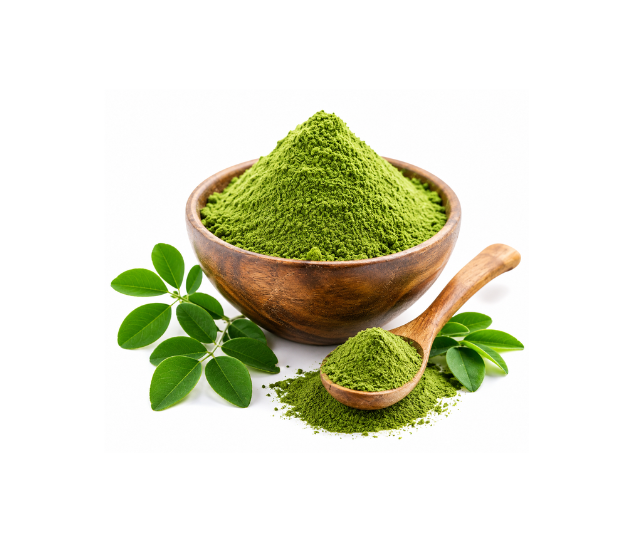
Moringa powder has quickly become one of the most popular plant-based superfoods for people looking to add more natural nutrition to their daily diet. Made from the leaves of the Moringa oleifera tree, moringa leaf powder contains a variety of nutrients and naturally occurring plant compounds. It can be easily added to smoothies, juices, soups, dal, yogurt and other everyday foods. But what exactly are the benefits of moringa powder? Is moringa really as nutritious as people claim? How should you take it, and what does scientific research actually say? In this complete guide, we will explore the top moringa powder benefits, nutritional value, everyday uses, how to consume moringa powder and important things to know before adding it to your routine. What Is Moringa Powder? Moringa powder is made by drying and grinding the leaves of Moringa oleifera, a tree native to the Indian subcontinent and now cultivated in many tropical and subtropical regions. Moringa has been used as a food and traditional ingredient for generations. Today, moringa leaf powder is increasingly used in smoothies, health foods, beverages and everyday recipes. Research reviews describe moringa leaves as a source of protein, fiber, minerals, vitamins, carotenoids and several bioactive plant compounds, including flavonoids and phenolic compounds. This nutritional profile is one of the main reasons moringa has attracted attention as a functional food. 10 Moringa Powder Benefits You Should Know 1. Moringa Powder Is Nutrient-Rich One of the biggest reasons people add moringa powder to their diet is its nutritional composition. Moringa leaves contain a combination of: Protein Dietary fiber Minerals Vitamins Carotenoids Polyphenols Flavonoids Other naturally occurring plant compounds Scientific reviews have highlighted the nutritional density and diverse phytochemical composition of Moringa oleifera leaves. Adding moringa powder to meals can therefore be a convenient way to diversify your intake of plant-based foods. Important: Moringa is not a replacement for a varied diet. Think of it as an additional nutritious ingredient. 2. Moringa Contains Naturally Occurring Antioxidant Compounds Moringa leaves contain several plant compounds with antioxidant activity, including polyphenols and flavonoids. Antioxidants are compounds that can help protect cells from oxidative stress. Research has identified multiple bioactive compounds in Moringa oleifera and continues to investigate their biological effects. However, it is important to distinguish laboratory findings from proven health outcomes in humans. That means it is better to describe moringa as a source of antioxidant plant compounds rather than claiming that moringa can cure or prevent specific diseases. 3. Moringa Can Be an Easy Addition to Your Daily Diet Another major advantage of moringa powder is convenience. You don’t need to prepare fresh moringa leaves every time. Moringa powder can be added to: Smoothies Juices Water Soups Dal Yogurt Oats Chutneys Salad dressings Homemade recipes This makes moringa leaf powder particularly convenient for people with busy lifestyles. Instead of treating moringa as a complicated supplement routine, you can simply incorporate it into foods you already enjoy. 4. Moringa May Support Nutritional Intake Moringa leaves have attracted attention because of their nutritional density. A systematic review examining moringa leaf supplementation found some promising results in specific nutritional outcomes, including hemoglobin and vitamin A status in certain study populations. However, the researchers also concluded that the available evidence is limited and that larger, more rigorous trials are needed. So while moringa is an interesting nutritional food, it should not be presented as a guaranteed solution for nutritional deficiencies. If you suspect a deficiency, proper testing and professional medical advice are more appropriate. 5. Moringa Contains Plant-Based Protein and Fiber Moringa leaves contain both protein and dietary fiber. Protein contributes to many important functions in the body, while dietary fiber is an important part of a balanced diet. The exact nutritional value of moringa powder can vary depending on factors such as growing conditions, processing and storage. For this reason, always check the nutrition information on the specific product you purchase. 6. Moringa Is Being Studied for Metabolic Health Moringa has been widely researched for its potential relationship with metabolic health, including blood glucose, cholesterol and blood pressure. Laboratory and animal studies have produced interesting findings, but human clinical evidence is still developing. A 2025 review noted that animal research has shown promising results related to oxidative stress, inflammation and glucose metabolism, while also emphasizing that human trials remain limited. This is an important point when reading online claims about moringa. Potential benefits found in research are not the same as proven medical treatments. 7. Moringa May Have Anti-Inflammatory Potential Moringa contains several bioactive compounds that researchers are investigating for their potential biological effects. A recent umbrella review examined 26 systematic reviews concerning Moringa oleifera and inflammatory diseases. It found that leaves were the most commonly studied part of the plant and highlighted compounds such as flavonoids, phenolic acids and isothiocyanates. However, more high-quality human research is needed before making strong claims about moringa as a treatment for inflammatory conditions. For everyday consumers, the most responsible approach is to consider moringa a nutritious plant ingredient rather than a medicine. 8. Moringa Can Be Used in Many Everyday Recipes You don’t have to drink moringa powder mixed with plain water. There are many easy ways to use it. Moringa Smoothie Add a small amount of moringa powder to a fruit or yogurt smoothie. Moringa Dal Mix moringa powder into dal or another savory dish. Moringa Yogurt Add it to plain yogurt along with fruit, seeds or nuts. Moringa Soup Use moringa powder as an ingredient in homemade soup. Moringa Green Drink Mix it into water or another beverage according to the product’s serving instructions. The earthy flavor of moringa works particularly well with fruits, herbs, yogurt and savory foods. 9. Moringa Is a Versatile Functional Food Moringa is not limited to traditional preparations. Researchers are also studying Moringa oleifera as a potential functional-food ingredient in beverages, snacks and other food products. A 2025 review described moringa’s nutritional and bioactive composition as an area of growing interest for functional food applications. This versatility is
Moringa Powder Benefits: 10 Powerful Reasons to Add Moringa to Your Daily Diet Read More »